January 10, 2012

Breaking Bad Habits Why It’s So Hard to Change

feature_1img

NIH News in Health Jan. 2012

If you know something’s bad for you, why can’t you just stop? About 70% of smokers say they would like to quit. Drug and alcohol abusers struggle to give up addictions that hurt their bodies and tear apart families and friendships. And many of us have unhealthy excess weight that we could lose if only we would eat right and exercise more. So why don’t we do it?

NIH-funded scientists have been searching for answers. They’ve studied what happens in our brains as habits form. They’ve found clues to why bad habits, once established, are so difficult to kick. And they’re developing strategies to help us make the changes we’d like to make.

“Habits play an important role in our health,” says Dr. Nora Volkow, director of NIH’s National Institute on Drug Abuse. “Understanding the biology of how we develop routines that may be harmful to us, and how to break those routines and embrace new ones, could help us change our lifestyles and adopt healthier behaviors.”

Habits can arise through repetition. They are a normal part of life, and are often helpful. “We wake up every morning, shower, comb our hair or brush our teeth without being aware of it,” Volkow says. We can drive along familiar routes on mental auto-pilot without really thinking about the directions. “When behaviors become automatic, it gives us an advantage, because the brain does not have to use conscious thought to perform the activity,” Volkow says. This frees up our brains to focus on different things.

Habits can also develop when good or enjoyable events trigger the brain’s “reward” centers. This can set up potentially harmful routines, such as overeating, smoking, drug or alcohol abuse, gambling and even compulsive use of computers and social media.

“The general machinery by which we build both kinds of habits are the same, whether it’s a habit for overeating or a habit for getting to work without really thinking about the details,” says Dr. Russell Poldrack, a neurobiologist at the University of Texas at Austin. Both types of habits are based on the same types of brain mechanisms.

“But there’s one important difference,” Poldrack says. And this difference makes the pleasure-based habits so much harder to break. Enjoyable behaviors can prompt your brain to release a chemical called dopamine. “If you do something over and over, and dopamine is there when you’re doing it, that strengthens the habit even more. When you’re not doing those things, dopamine creates the craving to do it again,” Poldrack says. “This explains why some people crave drugs, even if the drug no longer makes them feel particularly good once they take it.”

In a sense, then, parts of our brains are working against us when we try to overcome bad habits. “These routines can become hardwired in our brains,” Volkow says. And the brain’s reward centers keep us craving the things we’re trying so hard to resist.

The good news is, humans are not simply creatures of habit. We have many more brain regions to help us do what’s best for our health.

“Humans are much better than any other animal at changing and orienting our behavior toward long-term goals, or long-term benefits,” says Dr. Roy Baumeister, a psychologist at Florida State University. His studies on decision-making and willpower have led him to conclude that “self-control is like a muscle. Once you’ve exerted some self-control, like a muscle it gets tired.”

After successfully resisting a temptation, Baumeister’s research shows, willpower can be temporarily drained, which can make it harder to stand firm the next time around. In recent years, though, he’s found evidence that regularly practicing different types of self-control—such as sitting up straight or keeping a food diary—can strengthen your resolve.

“We’ve found that you can improve your self-control by doing exercises over time,” Baumeister says. “Any regular act of self-control will gradually exercise your ‘muscle’ and make you stronger.”

Volkow notes that there’s no single effective way to break bad habits. “It’s not one size fits all,” she says.

One approach is to focus on becoming more aware of your unhealthy habits. Then develop strategies to counteract them. For example, habits can be linked in our minds to certain places and activities. You could develop a plan, say, to avoid walking down the hall where there’s a candy machine. Resolve to avoid going places where you’ve usually smoked. Stay away from friends and situations linked to problem drinking or drug use.

Another helpful technique is to visualize yourself in a tempting situation. “Mentally practice the good behavior over the bad,” Poldrack says. “If you’ll be at a party and want to eat vegetables instead of fattening foods, then mentally visualize yourself doing that. It’s not guaranteed to work, but it certainly can help.”

One way to kick bad habits is to actively replace unhealthy routines with new, healthy ones. Some people find they can replace a bad habit, even drug addiction, with another behavior, like exercising. “It doesn’t work for everyone,” Volkow says. “But certain groups of patients who have a history of serious addictions can engage in certain behaviors that are ritualistic and in a way compulsive—such as marathon running—and it helps them stay away from drugs. These alternative behaviors can counteract the urges to repeat a behavior to take a drug.”

Another thing that makes habits especially hard to break is that replacing a first-learned habit with a new one doesn’t erase the original behavior. Rather, both remain in your brain. But you can take steps to strengthen the new one and suppress the original one. In ongoing research, Poldrack and his colleagues are using brain imaging to study the differences between first-learned and later-learned behaviors. “We’d like to find a way to train people to improve their ability to maintain these behavioral changes,” Poldrack says.

Some NIH-funded research is exploring whether certain medications can help to disrupt hard-wired automatic behaviors in the brain and make it easier to form new memories and behaviors. Other scientific teams are searching for genes that might allow some people to easily form and others to readily suppress habits.

Bad habits may be hard to change, but it can be done. Enlist the help of friends, co-workers and family for some extra support.

Alarming Incidence of Hepatitis C Virus Re-Infection After Treatment of Sexually Acquired Acute Hepatitis C Virus Infection in HIV-Infected MSM

Provided by The Body

From U.S. Centers for Disease Control and Prevention

January 9, 2012

The seroprevalence of sexually transmitted HCV among men who have sex with men in Amsterdam is stabilizing, recent data show. Little is known, however, about the incidence of HCV re-infection in MSM who have cleared HCV. In the current study, the team assessed the incidence of HCV re-infection in HIV-positive MSM who were HCV RNA-negative following HCV treatment of acute primary infection.

The subjects of the Amsterdam-based study were HIV-infected MSM attending two large outpatient clinics; the men were previously diagnosed with a sexually transmitted acute HCV infection and tested HCV RNA-negative at the conclusion of treatment. "We defined HCV re-infection as detectable HCV RNA in individuals with an undetectable HCV RNA at the end of treatment accompanied by a switch in HCV genotype or clade," the authors wrote. Re-infection incidence was calculated using person-time methods.

Included in the analysis were 56 persons who became HCV RNA-negative during primary acute HCV treatment. Five of these cases relapsed and were not analyzed; 11 participants were re-infected. HCV re-infection incidence in this group was 15.2 per 100 person-years (95 percent confidence interval 8.0-26.5). Cumulative incidence within two years was 33 percent.

"An alarmingly high incidence of HCV re-infection was found in this group," the authors concluded. "This high re-infection rate indicates that current prevention measures should be discussed, frequent HCV RNA testing should be continued after successful treatment and, in case of possible relapse, clade typing should be performed to exclude re-infection."

Adapted from:
AIDS
11.13.2011; Vol. 25; No. 17: P. F21-F27; Femke A.E. Lambers; and others

Source

Merck Hepatitis C Drug May “Anchor” Future Worldwide Regimen

January 10, 2012, 8:42 AM EST

By Robert Langreth

Jan. 10 (Bloomberg) -- Merck & Co. will make whatever deals are necessary to ensure the company leads the race for future hepatitis C combination therapies, said Roger Pomerantz, the drugmaker’s worldwide head of licensing and acquisitions.

“Our goal is to be a leader in hepatitis C, and we will do what it takes to get there,” Pomerantz said in an interview at the J.P. Morgan Healthcare Conference in San Francisco. “We would consider small deals to large deals, whatever is necessary to lead in hepatitis.”

Merck, the second-biggest U.S. drugmaker after Pfizer Inc., won U.S. approval in May for Victrelis, the first hepatitis C drug in almost a decade. The company’s pill and Vertex Pharmaceuticals Inc.’s Incivek, cleared for sale just 10 days after Victrelis, are easier to use and have fewer side effects than the standard injection treatments for the liver disease. Now the Whitehouse Station, New Jersey-based company is in the second stage of testing for a more powerful drug that may work against all strains of the virus, Pomerantz said in the interview yesterday.

If trials are successful for the drug, called MK-5172, the therapy may become the foundation medicine for future combination pill treatments, he said.

“What we have seen makes us quite optimistic that the drug could be an anchor,” he said.

Growing Market

As many as 170 million people worldwide carry the hepatitis C virus, a bloodborne disease that can lead to liver cirrhosis and cancer, according to the Centers for Disease Control and Prevention in Atlanta. The new pills, used in combination with the injectible treatments, have a higher cure rate than previous therapies alone. Incivek and Victrelis are so-called protease inhibitors that work by blocking an enzyme used by the hepatitis C virus to copy itself.

The market for medicines against the disease is about $3 billion worldwide, according to Andrew Berens, a senior health- care analyst with Bloomberg Industries, in Skillman, New Jersey. It may be worth $20 billion by 2020, said Michael Kishbauch, chief executive officer of Achillion Pharmaceuticals Inc., the maker of another experimental treatment, in a November interview.

The race to gain an all-pill regimen for hepatitis C has led to two recent deals. Bristol-Myers Squibb Co. said on Jan. 7 it would pay about $2.5 billion in cash to buy Inhibitex Inc. Pharmasset agreed to be acquired by Gilead Sciences Inc. for $10.8 billion in a deal announced Nov. 21.

Possible Targets

Idenix Pharmaceuticals Inc., which also has a hepatitis C drug candidate, and Achillion rose in trading yesterday on speculation they may be acquired like Inhibitex and Pharmasset. Idenix, based in Cambridge, Massachusetts, and New Haven, Connecticut-based Achillion yesterday also reported successful results of early clinical trials for their experimental drugs.

Achillion is “not eager to go out and plant a ‘for sale’ sign on our front lawn,” Mary Kay Fenton, the company’s chief financial officer, said yesterday in an interview at the health- care conference. Instead, Achillion is concentrating on developing its drug candidates, she said.

“There’s so much euphoria in the hepatitis C space” after the recent deals, she said, “it’s easy to lose focus on the fact that we’re developing drugs that patients need.”

Merck is considering a range of possibilities for new pill combinations, including the company’s experimental drugs, partnership agreements or acquisitions, Pomerantz said. The flurry of activity in hepatitis C reflects a unique opportunity to come up with a cure, he said.

“We have a curable disease and I think that people are reacting to the fact there may be a window of opportunity to put the right combinations together,” Pomerantz said in the interview.

--With assistance from Meg Tirrell in San Francisco. Editors: Andrew Pollack, Stephen West

To contact the reporter on this story: Robert Langreth in New York at rlangreth@bloomberg.net

To contact the editor responsible for this story: Reg Gale at rgale5@bloomberg.net

Source

January 9, 2012

Pharma giants buy up hepatitis C hopefuls

Nature News Blog

09 Jan 2012 | 13:22 GMT | Posted by Richard Van Noorden

Therapies that target the hepatitis C virus (HCV) are predicted to generate a multi-billion-dollar market in the next few years. And drug firms are rushing to stock their pipelines with potential treatments. On 7 January, Bristol-Myers Squibb of New York said that it would spend US$2.5 billion to acquire Inhibitex of Alpharetta, Georgia, with the main focus being Inhibitex’s INX-189 a potential hepatitis C treatment that is now in phase II clinical trials.

INX-189 is a nucleoside polymerase inhibitor, meaning that it prevents HCV from copying its genome. In November of last year, Gilead Sciences in Foster City, California, splashed out $11 billion on biotech firm Pharmasset, of Princeton, New Jersey. Pharmasset has three treatments for hepatitis C in clinical trials — including some nucleoside polymerase inhibitors.

All told, there are perhaps 60 compounds in preclinical and clinical development against HCV, using a variety of methods to disrupt the virus’s biology. Two drugs approved by the US Food and Drug Administration last year — boceprevir, made by Merck of Rahway, New Jersey, and telaprevir, made by Vertex Pharmaceuticals in Cambridge, Massachusetts — target an HCV protein called the NS3 protease, which is crucial for proper processing of the virus’s proteins.

Both Gilead and Bristol-Myers Squibb also have runners in the NS3 race, and additionally are developing treatments that disrupt an HCV protein called NS5A, essential for the assembly of infectious viral particles and the amplification of viral RNA. Other drugs block the virus’s entry into human cells.

Not all of these drugs can be winners. But the virus, which infects liver cells and can cause cirrhosis and liver cancer, affects around 3% of the world’s population. So there’s plenty of scope for new targeted treatments, which might be more effective and cause fewer side effects than the course of generic antivirals and immune-boosting interferon proteins now used. For more on HCV treatments, see Nature‘s article ‘New drug targets raise hopes for hepatitis C cure‘ and the more detailed (but not free) pipeline update in Nature Reviews Drug Discovery from last February.

Source

Idenix Reports Advancement of HCV Development Pipeline

logo

January 9, 2012

-- Idenix advances HCV clinical development pipeline with initiation of phase I study of pan-genotypic NS5A inhibitor, IDX719

-- Idenix selects next-generation HCV nucleotide inhibitors, IDX19368 and IDX19370, to enter IND-enabling studies

-- Management to host conference call webcast at 5:30 a.m. PT/8:30 a.m. ET today

CAMBRIDGE, Mass., Jan. 9, 2012 /PRNewswire/ -- Idenix Pharmaceuticals, Inc. (NASDAQ: IDIX), a biopharmaceutical company engaged in the discovery and development of drugs for the treatment of human viral diseases, today announced the advancement of its hepatitis C virus (HCV) development pipeline.

IDX719: NS5A Program
Idenix announced today the initiation of a phase I clinical trial of the Company's NS5A inhibitor, IDX719. The first part of the study will evaluate safety, pharmacokinetics and food effect of IDX719 in 48 healthy volunteers. A subsequent part of the study will evaluate three days of IDX719 treatment in treatment-naïve genotype 1 HCV-infected patients and is expected to begin in the second quarter of 2012. Preclinical studies have shown that IDX719 has potent, pan-genotypic activity in vitro with the potential for once-daily dosing.

IDX19368 and IDX19370: Nucleotide Prodrug Program
Further, the Company has selected two additional nucleotide inhibitors, IDX19368 and IDX19370, as potential clinical candidates. The Company anticipates Investigational New Drug (IND) filings in mid-2012.

"Over the past year, Idenix has made significant progress in both our core nucleotide and NS5A programs," commented Ron Renaud, President and Chief Executive Officer of Idenix. "The preclinical profile of IDX719 is very competitive, and we are leveraging the Company's significant nucleotide chemistry expertise to discover novel nucleotides with promising properties as well as continuing to strengthen our IP position. We are excited about the potential of our novel antiviral compounds in the evolving HCV field in the coming year."

2011 Year-end Cash Balance
Idenix today reported that it ended 2011 with approximately $118.3 million of cash and cash equivalents. The Company's 2011 financial results have not yet been audited.

ABOUT IDENIX
Idenix Pharmaceuticals, Inc., headquartered in Cambridge, Massachusetts, is a biopharmaceutical company engaged in the discovery and development of drugs for the treatment of human viral diseases. Idenix's current focus is on the treatment of patients with hepatitis C infection. For further information about Idenix, please refer to www.idenix.com.

CONFERENCE CALL AND WEBCAST INFORMATION
Idenix will hold a conference call today at 8:30 a.m. ET. To access the call, please dial (877) 640-9809 (U.S./Canada) or (914) 495-8528 (International) and enter passcode 40631574. A slide presentation will accompany the conference call and can be accessed on the Investor section of the Idenix website at www.idenix.com. Please log on approximately 10 minutes prior to the start of the call to ensure adequate time for any downloads that may be necessary.

A replay of the conference call and webcast will be available until January 23, 2012, by dialing (855) 859-2056 (U.S./Canada) or (404) 537-3406 (International) and enter the passcode 40631574.

FORWARD-LOOKING STATEMENTS

This press release contains "forward-looking statements" for purposes of the safe harbor provisions of The Private Securities Litigation Reform Act of 1995, including but not limited to the statements regarding the Company's future business and financial performance. For this purpose, any statements contained herein that are not statements of historical fact may be deemed forward-looking statements. Without limiting the foregoing, the words "expect," "plans," "anticipates," "intends," "will," and similar expressions are also intended to identify forward-looking statements, as are expressed or implied statements with respect to the Company's potential pipeline candidates, including any expressed or implied statements regarding the efficacy and safety of IDX184 or any other drug candidate; the successful development of novel combinations of direct-acting antivirals for the treatment of hepatitis C; the likelihood and success of any future clinical trials involving our drug candidates; and expectations with respect to funding of operations and future cash balances. Actual results may differ materially from those indicated by such forward-looking statements as a result of risks and uncertainties, including but not limited to the following: there can be no guarantees that the Company will advance any clinical product candidate or other component of its potential pipeline to the clinic, to the regulatory process or to commercialization; management's expectations could be affected by unexpected regulatory actions or delays; uncertainties relating to, or unsuccessful results of, clinical trials, including additional data relating to the ongoing clinical trials evaluating its product candidates; the Company's ability to obtain additional funding required to conduct its research, development and commercialization activities; the Company's dependence on its collaboration with Novartis Pharma AG; changes in the Company's business plan or objectives; the ability of the Company to attract and retain qualified personnel; competition in general; and the Company's ability to obtain, maintain and enforce patent and other intellectual property protection for its product candidates and its discoveries. Such forward-looking statements involve known and unknown risks, uncertainties and other factors that may cause actual results to be materially different from any future results, performance or achievements expressed or implied by such statements. These and other risks which may impact management's expectations are described in greater detail under the heading "Risk Factors" in the Company's quarterly report on Form 10-Q for the quarter ended September 30, 2011, as filed with the Securities and Exchange Commission (SEC) and in any subsequent periodic or current report that the Company files with the SEC.

All forward-looking statements reflect the Company's estimates only as of the date of this release (unless another date is indicated) and should not be relied upon as reflecting the Company's views, expectations or beliefs at any date subsequent to the date of this release. While Idenix may elect to update these forward-looking statements at some point in the future, it specifically disclaims any obligation to do so, even if the Company's estimates change.

Idenix Pharmaceuticals Contacts:
Kelly Barry (617) 995-9033 (media)
Teri Dahlman (617) 995-9807 (investors)

SOURCE Idenix Pharmaceuticals, Inc.

News Provided by Acquire Media

Source

Also See: Interim IDX184 Phase IIb Data and Development Pipeline Update

Idenix Reports Positive Interim Data for HCV Nucleotide Inhibitor, IDX184

logo

January 9, 2012

- No serious adverse events observed in phase IIb study of IDX184; Data Safety Monitoring Board (DSMB) recommends continuation of the clinical trial

- In the 100 mg IDX184 arm, 73% of patients achieved a rapid virologic response (RVR) and 87% were undetectable at most recent visit; In the 50 mg IDX184 arm, 63% of patients achieved an RVR and 94% were undetectable at most recent visit

- Management to host conference call webcast at 5:30 a.m. PT/8:30 a.m. ET today

CAMBRIDGE, Mass., Jan. 9, 2012 /PRNewswire/ -- Idenix Pharmaceuticals, Inc. (NASDAQ: IDIX), a biopharmaceutical company engaged in the discovery and development of drugs for the treatment of human viral diseases, today announced interim data from a 12-week phase IIb clinical trial of IDX184, the Company's lead product candidate for the treatment of hepatitis C virus (HCV) infection. IDX184, a pan-genotypic oral nucleotide polymerase inhibitor, has demonstrated a high barrier to resistance in vitro and potent antiviral activity in both preclinical and clinical studies.

IDX184 Phase IIb Study Design
In July 2011, the Company initiated enrollment of treatment-naive genotype 1 HCV-infected patients into a randomized, double-blind, parallel group phase IIb clinical trial of IDX184. The study features two treatment arms, either 50 mg or 100 mg of IDX184 administered once-daily for 12 weeks, each arm in combination with pegylated interferon and ribavirin (PegIFN/RBV). Study objectives include safety and tolerability, and antiviral activity endpoints.

IDX184 Phase IIb Interim Study Results
The first 31 patients have completed 28 days of treatment, and the interim data have shown that IDX184 was well-tolerated and that there were no serious adverse events associated with therapy. The side effect profile was consistent with that seen with PegIFN/RBV. The independent DSMB has reviewed the data for the first 31 patients and has recommended continuing enrollment of the study. The Company has submitted the interim data, along with the DSMB's recommendations, to the U.S. Food and Drug Administration (FDA) and is requesting the continuation of this study and removal of the partial clinical hold for IDX184.

RVR findings demonstrated that 73% of patients in the 100 mg IDX184 arm (n=15) and 63% in the 50 mg arm (n=16) had undetectable virus (LLOQ < 25 IU/ml) at 28 days. Currently 87% of patients in the 100 mg arm and 94% in the 50 mg arm had undetectable virus at a median of 8 weeks of treatment. There have been no virologic breakthroughs observed in the study to date.

"These interim results are encouraging as they confirm the antiviral activity and safety of IDX184 in combination with pegylated interferon and ribavirin," Eric Lawitz, M.D., of Alamo Medical Research, Camden Medical Center, stated. "Nucleotide drugs such as IDX184 are becoming an important component in the rapidly evolving treatment regimens for HCV. Eventually, the goal for treatment will be to reduce or eliminate reliance on interferon and to shift to all oral combinations of direct-acting antiviral agents that can reduce potential side effects and decrease the amount of time on therapy."

Ron Renaud, President and Chief Executive Officer of Idenix, commented, "We are very pleased with the interim results for IDX184 and with the progress we made in 2011 across our programs. In 2012, we will build on this progress and believe we are well positioned to play a major role in treating HCV patients for the foreseeable future."

ABOUT IDX184
IDX184 is an unpartnered, novel, liver-targeted nucleotide prodrug of 2'-methyl guanosine, which includes Idenix's proprietary liver-targeting technology. This technology enables the delivery of nucleoside monophosphate to the liver, leading to the formation of high levels of nucleoside triphosphate, potentially maximizing drug efficacy and limiting systemic side effects with low, once-daily dosing. IDX184 is currently being developed under a partial clinical hold.

ABOUT IDENIX
Idenix Pharmaceuticals, Inc., headquartered in Cambridge, Massachusetts, is a biopharmaceutical company engaged in the discovery and development of drugs for the treatment of human viral diseases. Idenix's current focus is on the treatment of patients with hepatitis C infection. For further information about Idenix, please refer to www.idenix.com.

CONFERENCE CALL AND WEBCAST INFORMATION
Idenix will hold a conference call today at 8:30 a.m. ET. To access the call, please dial (877) 640-9809 (U.S./Canada) or (914) 495-8528 (International) and enter passcode 40631574. A slide presentation will accompany the conference call and can be accessed on the Investor section of the Idenix website at www.idenix.com. Please log on approximately 10 minutes prior to the start of the call to ensure adequate time for any downloads that may be necessary.

A replay of the conference call and webcast will be available until January 23, 2012, by dialing (855) 859-2056 (U.S./Canada) or (404) 537-3406 (International) and enter the passcode 40631574.

FORWARD-LOOKING STATEMENTS
This press release contains "forward-looking statements" for purposes of the safe harbor provisions of The Private Securities Litigation Reform Act of 1995, including but not limited to the statements regarding the Company's future business and financial performance. For this purpose, any statements contained herein that are not statements of historical fact may be deemed forward-looking statements. Without limiting the foregoing, the words "expect," "plans," "anticipates," "intends," "will," and similar expressions are also intended to identify forward-looking statements, as are expressed or implied statements with respect to the Company's potential pipeline candidates, including any expressed or implied statements regarding the efficacy and safety of IDX184 or any other drug candidate; the successful development of novel combinations of direct-acting antivirals for the treatment of hepatitis C; the likelihood and success of any future clinical trials involving our drug candidates; and expectations with respect to funding of operations and future cash balances. Actual results may differ materially from those indicated by such forward-looking statements as a result of risks and uncertainties, including but not limited to the following: there can be no guarantees that the Company will advance any clinical product candidate or other component of its potential pipeline to the clinic, to the regulatory process or to commercialization; management's expectations could be affected by unexpected regulatory actions or delays; uncertainties relating to, or unsuccessful results of, clinical trials, including additional data relating to the ongoing clinical trials evaluating its product candidates; the Company's ability to obtain additional funding required to conduct its research, development and commercialization activities; the Company's dependence on its collaboration with Novartis Pharma AG; changes in the Company's business plan or objectives; the ability of the Company to attract and retain qualified personnel; competition in general; and the Company's ability to obtain, maintain and enforce patent and other intellectual property protection for its product candidates and its discoveries. Such forward-looking statements involve known and unknown risks, uncertainties and other factors that may cause actual results to be materially different from any future results, performance or achievements expressed or implied by such statements. These and other risks which may impact management's expectations are described in greater detail under the heading "Risk Factors" in the Company's quarterly report on Form 10-Q for the quarter ended September 30, 2011, as filed with the Securities and Exchange Commission (SEC) and in any subsequent periodic or current report that the Company files with the SEC.

All forward-looking statements reflect the Company's estimates only as of the date of this release (unless another date is indicated) and should not be relied upon as reflecting the Company's views, expectations or beliefs at any date subsequent to the date of this release. While Idenix may elect to update these forward-looking statements at some point in the future, it specifically disclaims any obligation to do so, even if the Company's estimates change.

Idenix Pharmaceuticals Contacts:
Kelly Barry (617) 995-9033
Teri Dahlman (617) 995-9807

SOURCE Idenix Pharmaceuticals, Inc.

News Provided by Acquire Media

Source

Also See: Interim IDX184 Phase IIb Data and Development Pipeline Update

Classical and emerging roles of vitamin d in hepatitis C virus infection

Semin Liver Dis. 2011 Nov;31(4):387-98. Epub 2011 Dec 21.

Gutierrez JA, Parikh N, Branch AD.

Source

Division of Gastroenterology, University of California, San Diego, California.

Abstract

According to the Institute of Medicine, the risk of clinically significant vitamin D deficiency increases at 25-hydroxyvitamin D levels below 20 ng/mL. By this standard, most cirrhotic hepatitis C virus- (HCV-) positive patients and many noncirrhotic patients are vitamin D-deficient. The high prevalence of vitamin D deficiency among HCV patients is a cause for concern for several specific reasons. Classic studies established the importance of vitamin D and calcium in maintaining bone. Vitamin D's beneficial effects on bone are likely to be vital for HCV-infected patients because these individuals have a high prevalence of low bone mineral density. Many pharmaceutical agents reduce bone density and exposure to these drugs may increase bone disease in HCV-positive patients. Bone loss occurs following liver transplantation and bone density is often low in patients with HIV/HCV co-infection who are on combination antiretroviral therapy. Some evidence suggests that ribavirin reduces bone density, underscoring the special need to monitor vitamin D in patients receiving HCV treatment and to prescribe supplements, as appropriate. In addition to its role in calcium metabolism, vitamin D is also an immune modulator that reduces inflammation while enhancing protective immune responses. Higher vitamin D levels are associated with less liver fibrosis and less inflammation in HCV patients. Recent studies show that low vitamin D levels are associated with treatment failure among HCV-infected patients receiving pegylated-interferon and ribavirin. If confirmed, these findings will provide an additional reason to ensure adequate levels of vitamin D. Information about how to monitor vitamin D status and how to use vitamin D supplements most effectively in HCV-infected patients is provided.

© Thieme Medical Publishers.

Source

Achillion Reports Clinical Data on Portfolio of Protease Inhibitors

Jan 9, 2012 (GlobeNewswire via COMTEX) --
       
Once-daily ACH-1625 safe, well-tolerated and achieves 100% cEVR after 12 weeks of treatment

Pilot study of ACH-1625 in HCV genotype 3 achieves maximal 3.68 log10 reduction

ACH-2684 safe, well tolerated and achieves HCV genotype 1 maximal 4.63 log10 reduction; Additional dosing on-going

NEW HAVEN, Conn., Jan. 9, 2012 (GLOBE NEWSWIRE) -- Achillion Pharmaceuticals, Inc. a leader in the discovery and development of small molecule drugs to combat the most challenging infectious diseases, today reported new clinical trial results on its portfolio of protease inhibitors including: Phase 2 interim 12-week treatment results with ACH-1625 for the treatment of genotype 1 treatment-naive hepatitis C virus (HCV), exploratory data on ACH-1625 for the treatment of HCV genotype 3, and initial proof-of-concept data for ACH-2684. Based upon these results, Achillion is planning further exploration of ACH-1625 in combination with other oral antiviral agents for the treatment of all HCV genotypes and continues to evaluate ACH-2684 in a Phase 1 clinical trial.

Michael D. Kishbauch, President and Chief Executive Officer of Achillion commented, "ACH-1625 is emerging as a fascinating and potentially superior, once-daily protease inhibitor that competes well against all other DAAs in development, regardless of their mechanism, based upon ACH-1625's safety, efficacy, genotypic coverage and emerging resistance mutation profile. Further, ACH-2684 shows preliminary promise in its ability to treat HCV, with a safety profile that looks very good, and over the next few months we will expand our clinical experience to define the dose response for its use across all HCV genotypes."

ACH-1625: Phase 2 12-Week Study Design and Interim Results

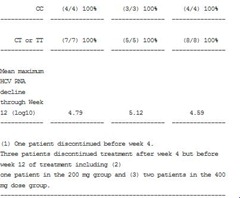
In the second segment of this ongoing Phase 2a trial, three doses of once-daily ACH-1625 (200 mg, 400 mg or 800 mg) in combination with pegylated interferon alfa-2a and ribavirin (P/R) were dosed over 12 weeks of therapy in patients with treatment-naive HCV genotype 1. Subjects were randomized and stratified by IL28B genotype, including CT and TT, which is a marker of a patient's diminished response to interferon.

Enrollment in this study of approximately 60 patients has been completed, and data on the first 35 patients enrolled were evaluated in this interim analysis. Of the patients enrolled, the majority had HCV genotype 1a (n=23/35 (66%)), with remaining patients having HCV genotype 1b (n=10) or genotype 1 (n=2). Approximately 66% of the patients were IL28B genotype CT/TT, the more difficult to treat mutation, 74% were male and approximately 14% were African American. No viral breakthroughs were observed during treatment. Preliminary results for the first 35 patients enrolled demonstrated rapid virological response (RVR) at week 4, and complete early virologic response (cEVR) and viral load reduction at week 12 as follows:

(Click on pictures to enlarge)

Ach1

Ach2

"We were pleased to note that regardless of IL28B status, 100% of patients treated through 12 weeks achieved cEVR and remained undetectable at this point in the study, and the potency and unique pharmacokinetic properties of ACH-1625 appear to provide very potent antiviral coverage for all of these genotype 1 patients," commented Dr. Elizabeth A. Olek, Chief Medical Officer of Achillion. "Patients appear to have continued on-treatment viral suppression, and we therefore look forward to determining end-of-treatment response rates for the fully enrolled study and to presenting complete study results in April."

Safety results from this segment of the trial were similar to those observed in the previously reported clinical trials of ACH-1625. Over 12 weeks of co-administration of ACH-1625 plus P/R, there was one reported serious adverse event (SAE) that was deemed unrelated to ACH-1625. Most reported adverse events (AEs) in patients receiving ACH-1625 were classified as mild to moderate and were transient. The most common AEs were consistent with pegylated interferon alfa-2a and ribavirin treatment.

ACH-1625: Pilot Phase 1 Study Evaluating Antiviral Activity against HCV Genotype 3 and Clinical Virology Assessment of HCV Genotype 1

Based upon in vitro virology, as well as evolving clinical pharmacokinetic and pharmacodynamic data, a Phase 1 pilot study was conducted to evaluate the antiviral activity of ACH-1625 for the treatment of HCV genotype 3. A total of seven patients infected with HCV genotype 3 were enrolled and treated with monotherapy consisting of 400 mg ACH-1625 twice daily for 4.5 days. In this exploratory study, ACH-1625 was safe and well tolerated. The maximum HCV genotype 3 RNA viral load reduction achieved was 3.68 log10 among the six out of seven patients that achieved an antiviral response.

In addition, clinical virology analysis of patient samples obtained during the first Phase 2 28-day study segment of ACH-1625 in combination with P/R examined the resistance mutation profile following treatment. The results indicated that following 28 days of treatment with ACH-1625 the presence of highly resistant variants were not detected.

"These findings suggest that ACH-1625 maintains high concentrations in the liver, the site of infection, resulting in a unique pharmacokinetic drug profile. These positive clinical results in genotype 3, along with the strong virologic profile of ACH-1625, have led us to take a broad look at the role of ACH-1625 in our future proprietary combination regimen," commented Milind Deshpande, Ph.D., President of Research and Development and Chief Scientific Officer.

ACH-2684: Phase 1 Healthy Volunteers and HCV Genotype 1 and 3 Segments

This Phase 1 clinical study is a randomized, double-blind, placebo-controlled trial to investigate the safety, tolerability, pharmacokinetic profile and antiviral activity of ACH-2684. Healthy volunteers in the single ascending dose (SAD) segment received doses of ACH-2684 ranging from 10 mg once daily to 300 mg twice daily. The first cohorts of HCV-infected patients were enrolled and treated with ACH-2684 administered as 400 mg twice daily for 2.5 days.

ACH-2684 was well tolerated at all doses and there were no serious adverse events, no clinically significant changes in vital signs, ECGs, or laboratory evaluations. All reported adverse events were classified as mild or moderate, were transient and showed no apparent dose relationship.

Proof-of-concept was achieved with ACH-2684 in HCV genotype 1 demonstrating a maximum HCV RNA viral load reduction of 4.63 log10. Antiviral activity with ACH-2684 in HCV genotype 3 was seen with a maximum HCV RVA viral load reduction of 2.03 log10. Additional cohorts of patients with either HCV genotype 1 or HCV genotype 3 are currently being enrolled to further explore doses and viral kinetics for ACH-2684.

All-Oral Protease Inhibitor and NS5A Inhibitor Combination Will Play an Important Role

During 2012 Achillion plans to conduct a number of clinical trials to further characterize its portfolio of protease inhibitors, including ACH-1625 and ACH-2684, and its NS5A inhibitors, including ACH-2928 and ACH-3102. In addition to the ongoing Phase 1 trials with ACH-2684 and ACH-2928, Achillion plans to submit an investigational new drug (IND) application and initiate a Phase 1 clinical trial with ACH-3102 during the second quarter of 2012. During the second half of 2012, Achillion plans to initiate an all-oral interferon-free combination study which will evaluate a protease inhibitor and a NS5A inhibitor, with or without ribavirin, for the treatment of HCV.

"We believe that the protease and NS5A inhibitor combination will play an important role in the future treatment of HCV across all genotypes," commented Mr. Kishbauch. "With the robust portfolio we have discovered and developed here at Achillion, we believe we are uniquely positioned to advance a potentially best-in-class all-oral, interferon-free combination and are looking forward to initiating clinical development with this regimen later in the year."

About ACH-1625

ACH-1625 is a pan-genotypic HCV protease inhibitor designed and synthesized based on crystal structures of enzyme/inhibitor complex. ACH-1625 is an open chain, non-covalent, reversible inhibitor of NS3 protease. In preclinical studies, ACH-1625 demonstrated high potency, unique pharmacokinetic properties and an excellent safety profile at high drug exposures. ACH-1625 has rapid and extensive partitioning to the liver, as well as high liver/plasma ratios. ACH-1625 has shown low single-digit nanomolar potency that is specific to HCV. It is equipotent against HCV genotypes 1a and 1b at IC50 of approximately 1nM. ACH-1625 is currently in a Phase 2 clinical trial and has shown clinical antiviral activity against genotypes 1 and 3. Fast Track status was granted to ACH-1625 in 2012 for the treatment of chronic HCV.

About ACH-2684

ACH-2684 is a next-generation HCV protease inhibitor designed and synthesized based on crystal structures of enzyme/inhibitor complex. ACH-2684 is a macro-cyclic, non-covalent, reversible inhibitor of NS3 protease. In preclinical studies, ACH-2684 demonstrated pico-molar potency, excellent pharmacokinetic properties and safety profile at high drug exposures. ACH-2684 also exhibits rapid and extensive partitioning to the liver, as well as high liver/plasma ratios in preclinical studies. ACH-2684 has shown pico-molar potency against NS3 protease that is specific to HCV. It has preclinical activity against the 6 known genotypes of HCV and exhibits equipotent activity against HCV genotypes 1a and 1b at an IC50 of approximately 100 pico-molar. The drug candidate was discovered internally and is being advanced by Achillion.

About HCV

The hepatitis C virus is the most common cause of viral hepatitis, which is an inflammation of the liver. It is currently estimated that more than 170 million people are infected with HCV worldwide including nearly 4 million people in the United States, more than twice as widespread as HIV. Three-fourths of the HCV patient population is undiagnosed; it is a silent epidemic and a major global health threat. Chronic hepatitis, if left untreated, can lead to permanent liver damage that can result in the development of liver cancer, liver failure or death. Few therapeutic options currently exist for the treatment of HCV infection. The current standard of care is limited by its specificity for certain types of HCV, significant side-effect profile, and injectable route of administration.

About Achillion Pharmaceuticals

Achillion is an innovative pharmaceutical company dedicated to bringing important new treatments to patients with infectious disease. Achillion's proven discovery and development teams have advanced multiple product candidates with novel mechanisms of action. Achillion is focused on solutions for the most challenging problems in infectious disease including hepatitis C and resistant bacterial infections. For more information on Achillion Pharmaceuticals, please visit www.achillion.com or call 1-203-624-7000.

Forward-Looking Statements

This press release includes forward-looking statements within the meaning of the Private Securities Litigation Reform Act of 1995 that are subject to risks, uncertainties and other important factors that could cause actual results to differ materially from those indicated by such forward-looking statements, including statements with respect to: the potency, safety, tolerability, effectiveness and other characteristics of Achillion's protease inhibitors and NS5A inhibitors; Achillion's expectations regarding timing for the commencement, completion and reporting of results of clinical trials of drug candidates in its protease inhibitor and NS5A inhibitor programs; the potential for its protease and NS5A inhibitor combination to play an important role in the future treatment of HCV across all genotypes; and Achillion's ability to advance a potentially best-in-class all-oral, interferon-free combination protease and NS5A inhibitor. Among the factors that could cause actual results to differ materially from those indicated by such forward-looking statements are risks relating to, among other things Achillion's ability to: replicate in later clinical trials positive results found in earlier stage clinical trials of ACH-1625, ACH-2684 and its other product candidates; advance the development of its drug candidates under the timelines it anticipates in current and future clinical trials; obtain necessary regulatory approvals; obtain patent protection for its drug candidates, and the freedom to operate under third party intellectual property; establish commercial manufacturing arrangements; identify, enter into and maintain collaboration agreements with appropriate third-parties; compete successfully with other companies that are seeking to develop improved therapies for the treatment of HCV; and raise the substantial additional capital needed to achieve its business objectives. These and other risks are described in the reports filed by Achillion with the U.S. Securities and Exchange Commission, including its Annual Report on Form 10-K for the fiscal year ended December 31, 2010 and its subsequent SEC filings.

In addition, any forward-looking statement in this press release represents Achillion's views only as of the date of this press release and should not be relied upon as representing its views as of any subsequent date. Achillion disclaims any obligation to update any forward-looking statement, except as required by applicable law.

This news release was distributed by GlobeNewswire, www.globenewswire.com

SOURCE: Achillion Pharmaceuticals, Inc.

Source

International symposium on stem cells and human liver disease, Paris, France

[Date: 2012-01-09]

An event entitled 'International symposium on stem cells and human liver disease' will take place from 12 to 13 March 2012 in Paris, France.

Many forms of human liver disease can currently be treated only with orthotopic liver transplant. Biological and technical advances related with human embryonic stem cells suggest that pluripotency may provide an alternative cell-based therapy for liver disease. The development of methods and tools to engineer stem cells is necessary to generate renewable cultures for clinical-grade, cell therapies.

The conference will highlight recent progress in liver development and stem cell differentiation in the context of cell therapy for chronic liver disease. Among the topics on the agenda will be:

- liver development ;
- differentiation of stem cells to hepatocytes;
- stem cell bioengineering;
- perspectives: clinical applications;
- perspectives: phamaco/toxicology;
- use of stem cells in regenerative strategies.

This event is sponsored by the EU-funded 'Development of culture conditions for the differentiation of hES cells into hepatocytes' (LIV-ES) project, which is looking at ways of developing innovative conditions and standardised protocols to provide a renewable source of human hepatocytes (liver cells) for the treatment of liver diseases.

For further information on the event, please visit: here
For further information on the project, please visit: http://www.liv-es.eu/

Category: Events
Data Source Provider: Inserm Transfert -ADR Inserm
Document Reference: Based on an event announcement
Subject Index: Biotechnology; Healthcare delivery/services; Medicine, Health; Social Aspects

RCN: 34199

Source

Chimp Research: The Beginning Of The End? (VIDEO)

First Posted: 1/9/12 08:56 AM ET Updated: 1/9/12 08:58 AM ET                                   


Hi everybody. Cara Santa Maria here.

In 1961, we blasted two chimps into space. Twenty-five years later, we bred them like crazy to study the AIDS epidemic. When we realized that, oops, chimps can't get AIDS, we ended up with a surplus of research animals.

Today, most chimp research is done on monoclonal antibodies and Hepatitis C. But new methods are allowing us to develop human antibodies outside of the animal, and most Hep C research can be safely performed in humans. Even the private pharmaceutical industry is making the shift to higher-tech, less expensive technologies. But there are still almost a thousand research chimps living at five major facilities across the country.

Last month, the Institute of Medicine released a bold statement: "Most current use of chimpanzees for biomedical research is unnecessary." Within the hour, the director of the National Institutes of Health agreed to massively scale down the use of chimps in government-funded laboratory research.
Under the new guidelines, future chimp research would receive federal funding only if no other suitable model is available, if the experiments can't be ethically performed on humans, and if without the experiments, important advancements in the prevention or treatment of life-threatening conditions would be slowed or stopped.

Other than the West African nation of Gabon, we are the only country in the entire world that still experiments on chimps. And although I haven't been talking about a ban here, there are people trying to make that happen. The Great Ape Protection and Cost Savings Act of 2011 would prevent invasive research from being performed on chimps, bonobos, orangutans, gorillas, or gibbons. There's also a petition circulating that would put captive chimpanzees on the endangered species list, just like their wild counterparts. Until then, they can legally be used in lab research, show business, and kept as pets.

Now, I advocate animal research. I have personally performed lab experiments on mice and birds, knowing that the work I did was a tiny stepping stone toward understanding how the brain works, and would, down the line, contribute to medical advances in the treatment of Parkinson's disease and traumatic brain injury.

But I am also a strong animal welfare advocate. Animals DO feel pain. They experience psychological distress. Chimpanzees are our closest genetic relatives; we share 99% of the same DNA. Chimps are highly social beings. They have the capacity to form intense bonds. They feel pleasure and empathy. They also feel grief, depression, and anxiety.

In the words of Carl Sagan, "How smart does a chimpanzee have to be before killing him constitutes murder? If chimpanzees have consciousness, do they not have what until now has been described as "human" rights?" What do you think? You can weigh in on Twitter, Facebook, or right here on the Huffington Post. Come on, talk nerdy to me!

Source

Presidio Pharmaceuticals Reports Progress with Hepatitis C Antiviral Programs

Jan. 9, 2012, 6:00 a.m. EST

SAN FRANCISCO, Jan 09, 2012 (BUSINESS WIRE) -- Presidio Pharmaceuticals, Inc. announced today the successful completion of a Phase 1a dose-ranging assessment of PPI-668, a potent, pan-genotypic second-generation hepatitis C virus (HCV) NS5A inhibitor, in healthy volunteers and subsequent advancement to a Phase 1b assessment of the dose-related efficacy in hepatitis C patients.

The Phase 1a dose-ranging assessment of PPI-668 was conducted with 32 healthy volunteers in New Zealand. The trial was a randomized, double-blind, placebo-controlled assessment of the safety and pharmacokinetics of three oral doses of PPI-668, initially assessed as single doses and subsequently as a multi-day regimen, in which the highest PPI-668 dose was given once daily for five successive days. The trial results indicated that all dose regimens of PPI-668 were well-tolerated. There were no serious or severe clinical adverse events, no patterns of treatment-related adverse events or laboratory abnormalities, and all subjects completed the trial successfully.

Pharmacokinetic (PK) analyses of subjects' plasma samples in the Phase 1a trial indicated that substantial blood levels of PPI-668 were rapidly and consistently achieved and dose proportional. PPI-668 plasma concentrations were orders of magnitude above those shown to inhibit HCV replication in vitro and were maintained at predicted effective concentrations for more than 24 hours. These PK results support once-daily dosing for PPI-668 in future studies. Also important was the observation that in the 5-day multi-dose regimen, steady-state PK was achieved rapidly (by Day 2), with no evidence of subsequent accumulation or changes in the clearance profile of PPI-668.

"These first clinical data for PPI-668 indicate excellent tolerance in healthy subjects for up to five days," said Nathaniel A. Brown, M.D., Presidio's Chief Medical Officer. "Equally important, the pharmacokinetic profile of PPI-668 is very encouraging, suggesting that effective plasma concentrations can be obtained with relatively low, once-daily doses of PPI-668 - which will facilitate co-formulation of PPI-668 with other HCV antivirals in future combination therapies for hepatitis C."

Patient screening for the Phase 1b evaluation of PPI-668 in hepatitis C patients has begun in New Zealand and the United States and will soon include Australia. Dosing of the first cohort of hepatitis C patients will begin this week. Presidio expects to have results regarding the antiviral efficacy of PPI-668 in HCV patients in the second quarter of 2012.

In a second HCV research program focused on inhibitors of the HCV NS5B polymerase, Presidio has discovered a lead chemical series of non-nucleosidic NS5B inhibitors with potent activity against all major HCV genotypes. Preclinical profiling is ongoing with a goal of nominating a candidate for clinical development in the coming months.

With its novel NS5A and NS5B inhibitors, Presidio's objective is to provide two complementary HCV antivirals that will be appropriate for broad use in optimized future combination therapies for patients with HCV infection. Presidio anticipates that such therapies will have a convenient oral dosing regimen (once or twice daily), will exhibit rapid pan-genotypic efficacy and will be well-tolerated.

ABOUT HEPATITIS C AND NS5A INHIBITORS

Chronic hepatitis C is a persistent, potentially progressive inflammatory liver disease caused by chronic infection with the hepatitis C virus (HCV). Worldwide there are an estimated 130 to 170 million persons with chronic HCV infection. There are 7 major genotypes (strains) of HCV, which have differing geographic distributions. Globally, about 40-60% of patients are infected with HCV genotype-1, with the remaining patients infected with HCV genotypes 2 through 7.

Patients with advanced hepatitis C can develop potentially fatal liver failure or liver cancer, and hepatitis C is estimated to account for over 350,000 deaths per year worldwide (WHO estimate). The current standard-of-care treatment for hepatitis C in the United States, for patients with HCV genotype-1 infection, is combined administration of pegylated-interferon, ribavirin, and first-generation HCV protease inhibitors. This multi-drug treatment is characterized by incomplete efficacy for HCV genotype-1 patients, variations in efficacy according to patients' underlying human genetic factors, no established efficacy for patients infected with other HCV genotypes, substantial tolerance issues, and dosing inconveniences. Thus, there is a continuing need for more consistently effective and better tolerated HCV inhibitors that can be orally administered in future combination therapies for hepatitis C patients worldwide, regardless of HCV genotype, patient genetic factors, or disease stage.

Inhibitors of the HCV NS5A protein represent an exciting, relatively new class of HCV inhibitors that, when optimized, exhibit potent activity across all HCV genotypes, with a mechanism that is distinct from other classes of HCV antivirals, which commonly target the HCV protease or polymerase. PPI-668 is a novel, optimized, second-generation HCV NS5A inhibitor, which exhibits highly potent and selective activity against all HCV genotypes in replicon assays, with favorable toxicology and pharmacology profiles in preclinical assessments.

ABOUT PRESIDIO

Presidio Pharmaceuticals, Inc. is a San Francisco-based clinical stage specialty pharmaceutical company dedicated to the discovery and development of small-molecule antiviral therapeutics for hepatitis C virus (HCV). For more information, please visit our website at: www.presidiopharma.com.

SOURCE: Presidio Pharmaceuticals, Inc.

Source

Interim IDX184 Phase IIb Data and Development Pipeline Update

Interim IDX184 Phase IIb Data and Development Pipeline Update Conference Call January 9, 2012

(Click on each picture to enlarge)

Safe Harbor Statement

This presentation includes forward-looking statements about Idenix and its business, including without limitation, statements regarding drug discovery, research and clinical development, regulatory approval processes and market opportunities. These forward-looking statements are subject to risks and uncertainties that may cause actual events or results to differ materially from our current expectations. These risks and uncertainties are detailed in our filings with the Securities and Exchange Commission. All forward-looking statements speak only as of the date of this presentation and, except as required by law, we undertake no obligation to update such statements.

IDX184 Phase IIb Interim Results


IDX184 Phase IIb Status and Next Steps
  • DSMB concluded that there was no evidence of hepatoxicity and recommended that the study continue after review of the interim data of first 31 patients
  • Interim data of 31 patients and DSMB’s recommendations were submitted to FDA in January 2012 to support potential removal of partial clinical hold
  • Additional future phase IIb clinical studies also proposed in FDA submission
HCV Development Pipeline Update


NS5A Inhibitor IDX719 Promising Profile for Combination Therapy
  • Clean preclinical safety profile to date
  • Potential for low mg doses and QD dosing in humans
  • No in vitro interaction with 7 human CYP 450 enzymes at 10 μM (well above physiologic concentrations)
  • No significant interaction with human transporters at physiologic concentrations
  • Additive antiviral effects with other HCV DAAs (e.g., PIs and IDX184)
  • No in vitro DDIs with common HBV and HIV therapeutic agents
Novel Nucleotide Prodrug Program
  • Intensive program in place
    - Robust synthetic and screening efforts ongoing, focus on single diastereomers
  • Diverse spectrum of nucleotides
    -Purines and pyrimidines
    -Known prodrugs and novel prodrugs
    - 2’ Me sugars and some novel sugars
  • Identify promising compounds in vitro and in mouse and monkey
    - Level of triphosphate production, kinetics of metabolism, cytotoxicity, etc
    - Levels of triphosphate in the liver after oral administration in vivo
  • Lead nucleotide inhibitor candidates, IDX19368 and IDX19370, selected
    - IND-enabling studies underway with IND filings expected mid-year
    - In preclinical studies, IDX19368 generates high triphosphate levels
  • Many new potential clinical candidates currently being evaluated
2012: An Eventful Year Expected to Create Value
  • IDX184: Nucleotide HCV Polymerase Inhibitor
    - Potential removal of the partial clinical hold
    - Combine with one or more DAAs for combination regimen and initiate broad Phase IIb trials
    - Establish non-exclusive/exclusive collaboration
  • IDX719: HCV NS5A Program
    - Successful completion of Phase I and proof-of-concept studies including evaluation in multiple genotypes
  • Next-Generation Nucleotide HCV Polymerase Inhibitors
    - File INDs for lead candidates, IDX19368 and IDX19370, and initiate Phase I and proof-of-concept studies
    - Continue robust nucleotide prodrug discovery efforts
We believe we are well positioned to play a major role in the evolving HCV field.
Source

January 8, 2012

Benitec Biopharma hepatitis C therapeutic pre-clinical results released

bio350_4f0a4ab334f07

Monday, January 09, 2012 by Christine Feary

Benitec Biopharma (ASX: BLT) has received pre-clinical results on the use of the company’s gene silencing technology to develop a therapeutic for hepatitis C viral (HCV) infection.

HCV infection is a leading cause of liver disease, with figures from the World Health Organisation showing that about 170 million people are chronically affected.

The figures showed that there are approximately 350,000 deaths from HCV-related liver disease each year.

At present, therapy typically involves extended dosing of between 24 and 72 weeks duration, with low tolerability and only modest effects.

Results from pre-clinical studies by researchers at Pfizer and Tacere Therapeutics have been published online in the American Society of Microbiology’s journal, Antimicrobial Agents and Chemotherapy.
The pre-clinical trials showed extremely positive results for ddRNAi molecule PF-05095808.

This molecule has been specifically designed to achieve transduction of all liver cells in the liver without causing cell damage.

Importantly, there was no evidence of cytotoxicity nor of induction of the interferon response associated with the administration of the molecule.

It was also shown to be highly effective at inhibiting the commonly circulating clinical isolates of HCV, with the ability to eliminated resistance to the molecule using three shRNA sequences.

The studies indicated that the molecule is able to target commonly circulating strains of HCV.

The report concluded that the molecule represents the prototype of a new approach to HCV therapy, with a single dose that can be administered alone or in combination with other anti-HCV agents.
According to the report, “These studies demonstrated the PF-05095808 delivers sequence-specific antiviral activity in the absence of overt cytotoxicity.”

A clinical trial is expected to follow, with Tacere confirming its commitment to progressing the program, for which it has an exclusive sub-license from Benitec.

Source

Chronic Liver Disease Hospitalizations Greater for Diabetics

By: SUSAN LONDON, Family Practice News Digital Network

SAN FRANCISCO – Health care providers should be aware that adult patients with diabetes have a sharply increased risk for chronic liver disease and should be counseled accordingly, advised investigators with the Centers for Disease Control and Prevention.

In a U.S. population-based study reported at the annual meeting of the American Association for the Study of Liver Diseases, the investigators found that diabetic adults had four times the rate of hospitalizations related to chronic liver disease, compared with their nondiabetic counterparts. Hepatitis C and "chronic hepatitis and cirrhosis" accounted for most of these hospitalizations in the diabetic group.

"The bottom line is that people with diabetes have associated liver disease, and this is something that providers should be aware of and they should take some sort of preventive measures toward that, [things like] vaccinating against hepatitis B or counseling about decreasing alcohol intake," lead investigator Dr. Kathy K. Byrd of the CDC’s Division of Viral Hepatitis said in an interview.

In fact, the study results provided some of the impetus behind the new recommendation from the Advisory Committee on Immunization Practices that calls for hepatitis B vaccination among diabetic adults aged younger than 60 years, she said.

Dr. Byrd and her colleagues used the Nationwide Inpatient Sample (a nationally representative survey of hospital discharge data) to assess rates of hospitalization related to chronic liver disease for the years 2001-2008. The sample captured information on roughly 7.5-8.2 million hospital discharges per year.

For each hospitalization, the investigators checked for the presence of diagnostic codes for hepatitis B; hepatitis C; chronic hepatitis and cirrhosis; malignancy of the liver or bile ducts; and alcoholic liver disease. They used National Health and Nutrition Examination Survey data to obtain population denominators for adults with and without diabetes.

Study results, reported in a poster session at the meeting, showed that the age-adjusted rate of chronic liver disease–related hospitalization during the entire study period was 1,546 per 100,000 for diabetic adults in the population, roughly fourfold higher than the rate of 398 per 100,000 for nondiabetic adults. For each of the five diagnostic codes, hospitalization rates in diabetic adults were two- to sixfold higher than those in their nondiabetic peers.

Hepatitis C, as well as chronic hepatitis and cirrhosis, were by far the two most common diagnoses within the diabetic group, each seen in about 40% of the hospitalizations, according to Dr. Byrd. Results also showed a temporal trend whereby the rate of chronic liver disease–related hospitalization increased by 34% among diabetic adults between 2001 and 2008 (P = .002). When analyzed by specific diagnosis, there was a 55% increase in the rate for chronic hepatitis and cirrhosis, a 44% increase in the rate for malignancy of the liver and bile ducts, and a 34% increase in the rate for hepatitis C.

The rate of chronic liver disease–related hospitalization was consistently higher for men with diabetes than for women with diabetes. This hospitalization rate also increased by a greater extent during the study period among men with diabetes (by 46%; P = .001) than among women with diabetes (by 24%; P = .058).

Dr. Byrd reported that she had no relevant conflicts of interest.

Source

Vertex Announces Key 2012 Business Objectives as Company Prepares for Planned Global Launch of KALYDECO in Cystic Fibrosis

logo

January 8, 2012

Vertex Announces Key 2012 Business Objectives as Company Prepares for Planned Global Launch of KALYDECO in Cystic Fibrosis

-More than 25,000 people have started treatment for hepatitis C with INCIVEK®, positioning Vertex for continued growth, earnings and cashflow in 2012-

-Preparations for approval and launch of KALYDECOTM ongoing; additional studies of KALYDECO planned for mid-2012-

-Nine new medicines in development for serious diseases; multiple proof-of-concept and later-stage studies planned for 2012-

SAN FRANCISCO --(BUSINESS WIRE)-- Vertex Pharmaceuticals Incorporated (NASDAQ: VRTX) today announced its 2012 business objectives in conjunction with the 30th Annual J.P. Morgan Healthcare Conference in San Francisco . Matthew Emmens , Chairman, President and Chief Executive Officer of Vertex, and Jeffrey Leiden , M.D., Ph.D., who will become Vertex's CEO on February 1, 2012 , will discuss these objectives as part of a live presentation, which will be available on Vertex's website, www.vrtx.com, on Monday, January 9 at 11:00 a.m. PT ( 2:00 p.m. ET ).

"In 2011, our team executed a highly successful launch for INCIVEK in hepatitis C, with more than 25,000 people starting treatment since its approval in mid-2011," said Mr. Emmens . "With the strength of the launch for INCIVEK, the submission of our global approval applications for KALYDECO in cystic fibrosis and the advancement of our pipeline programs, we are positioned for significant growth, earnings and cashflow in 2012."

Dr. Leiden commented, "Entering 2012, we are focused on becoming a sustainable business with strong revenues from INCIVEK and the planned global launch of KALYDECO for cystic fibrosis. Importantly, we are pursuing opportunities to further improve treatment with our all-oral regimens in development for hepatitis C and efforts to study our cystic fibrosis medicines in a larger group of people with this devastating disease. As these and other pipeline programs advance, we will manage our business with financial discipline and focused investment to ensure the greatest benefit for patients waiting for new treatments and for our shareholders."

Preparing for Global Launch of KALYDECOTM in Cystic Fibrosis and Expanding the KALYDECO Development Program

In December, Vertex announced that the U.S. Food and Drug Administration (FDA) accepted the New Drug Application for KALYDECO (ivacaftor) and granted the company's request for six-month Priority Review. A target review date of April 18, 2012 is set under the Prescription Drug User Fee Act for the FDA's approval decision. Vertex's marketing authorization application for KALYDECO has also been validated by the European Medicines Agency , which accepted Vertex's request for accelerated assessment in Europe .

As Vertex prepares for the potential launch of KALYDECO for people with the G551D mutation, the company is also planning to begin additional studies of KALYDECO in children with CF as young as two years of age and in people with CF who have certain mutations that were not evaluated in the previous Phase 3 studies. Pending final feedback from regulatory agencies, the company plans to begin three clinical studies of KALYDECO in mid-2012:

  • Pediatric study: A study of KALYDECO in children ages 2 through 5 with gating mutations, including G551D, is expected to evaluate the safety, tolerability and effect on sweat chloride and other measures of clinical activity using a pediatric formulation of KALYDECO.
  • Study in people with the R117H mutation: Vertex plans to begin the first clinical study of KALYDECO in people who have at least one copy of the R117H mutation in the CF gene. The R117H mutation causes abnormal function of the CFTR protein at the cell surface. Approximately 3 percent of people with CF in the U.S. have the R117H mutation.
  • Study in other gating mutations: Vertex also plans to begin the first clinical study of KALYDECO in other gating mutations where CFTR proteins are present at the cell surface but do not function properly. G551D is the most common gating mutation, present in approximately 4 percent of people with CF in the U.S., and was the focus of previous Phase 3 KALYDECO studies. The remaining gating mutations to be evaluated in this study account for an additional approximately 1 percent of people with CF in the U.S.

Additional Studies in Hepatitis C, CF and Other Serious Diseases

Multiple additional studies of INCIVEK, KALYDECO and Vertex's pipeline medicines in development are ongoing or planned for 2012, including:

Hepatitis C

  • Phase 2 ZENITH study: The ongoing Phase 2 ZENITH study is designed to assess the safety, tolerability and efficacy of the polymerase inhibitor VX-222 dosed in combination with INCIVEK and ribavirin, with and without pegylated-interferon, in people with genotype 1a and 1b chronic hepatitis C who were new to treatment. In the first quarter, Vertex expects to announce data, including sustained viral response rates at 4 weeks post-treatment (SVR4), from the two all-oral, interferon-free study arms (Arms E and F) in which patients received VX-222, INCIVEK and ribavirin.
  • All-oral, interferon-free studies of the nucleotide analogues ALS-2200 and ALS-2158: Vertex and Alios are currently conducting two Phase 1 studies of the pan-genotypic hepatitis C polymerase inhibitors ALS-2200 and ALS-2158. The studies are evaluating safety and tolerability in healthy volunteers as well as 7-day viral kinetics in people with chronic genotype 1 hepatitis C. Data are expected in the second quarter of 2012, which could enable the initiation of Phase 2 proof-of-concept studies to evaluate multiple all-oral, interferon-free combination regimens in the second half of 2012. These Phase 2 studies are expected to evaluate combination regimens of ALS-2200 or ALS-2158 with INCIVEK or VX-222, potential dual nucleotide regimens (adenosine and uracil) and other interferon-free combination regimens that may also include ribavirin.
  • Phase 3 study in people co-infected with hepatitis C and HIV: Enrollment is ongoing in a Phase 3 trial of INCIVEK combination therapy in people co-infected with genotype 1 hepatitis C virus and HIV.
  • Phase 3 study of twice-daily dosing of INCIVEK: Enrollment is complete in a Phase 3 clinical trial to evaluate twice-daily dosing of INCIVEK (1,125 mg; BID) compared to three-times-daily dosing of INCIVEK (750 mg; q8h) as part of INCIVEK combination therapy.
  • Phase 4 study of INCIVEK combination treatment in African Americans: Vertex plans to begin in the first quarter of 2012 a study of INCIVEK combination therapy in African Americans with hepatitis C who were not cured with a prior treatment of pegylated-interferon and ribavirin.
  • Phase 3b study of INCIVEK combination treatment for a total duration of 12 weeks: Enrollment is ongoing in a Phase 3b trial to evaluate the potential for INCIVEK combination therapy to be shortened to 12 weeks in people with genotype 1 chronic hepatitis C who have the 'CC' variation near the IL28B gene.
  • Phase 2b and 3b studies in people with hepatitis C following a liver transplant: Enrollment is expected to begin in the first quarter for clinical studies of INCIVEK combination treatment in people who have recurrent hepatitis C following a liver transplant.

Cystic Fibrosis

  • Two CFTR correctors in development for people with the most common CF mutation, F508del: Enrollment is ongoing in the second part of a Phase 2 clinical trial of combination regimens of KALYDECO, a CFTR potentiator, and VX-809, a CFTR corrector, in people with the most common mutation in CF, known as F508del. In addition, Vertex plans to begin Phase 2 development of VX-661, a second CFTR corrector, in the first quarter of 2012. Data from the study with VX-809 is expected mid-year, followed by data from the study with VX-661 later in 2012.

Rheumatoid Arthritis (RA)

  • 350-patient Phase 2b study of VX-509: A six-month Phase 2b study of the JAK3 inhibitor VX-509 is planned to begin in the first quarter of 2012 for the treatment of moderate to severe rheumatoid arthritis. This study will evaluate once-daily (QD) and twice-daily (BID) doses of VX-509 in combination with methotrexate, a commonly prescribed disease-modifying antirheumatic drug (DMARD) for RA that is frequently used in combination with other RA medicines.

Influenza

  • Proof-of-concept study planned for mid-2012 with VX-787: A Phase 1 study is ongoing for VX-787, an investigational medicine that is designed to treat influenza A, including recent H1 (pandemic) and H5 (avian) influenza strains. Following the completion of this Phase 1 study, Vertex plans to initiate a proof-of-concept study for VX-787 in the second quarter of 2012.

Epilepsy

  • Enrollment is ongoing in a Phase 2 study of VX-765 in people with treatment-resistant epilepsy.

Continued Productivity in Research

Vertex continues to focus its research efforts in the areas of infectious diseases, including viral infections - such as influenza - and bacterial infections, inflammatory diseases, cancer and neurological disorders, including pain. Vertex expects additional development candidates for the treatment of one or more of these diseases to emerge from research in 2012.

The company will report full-year 2011 financial results and financial guidance on February 2, 2012 .

Webcast

Vertex Pharmaceuticals will webcast its corporate presentation at the 30th Annual J.P. Morgan Healthcare Conference on January 9, 2012 at 11:00 a.m. PT ( 2:00 p.m. ET ). A link to the live webcast will be available via Vertex's website, www.vrtx.com, in the Events & Presentations section. An archived webcast of the presentation will be available on Vertex's website through January 23, 2012 .

About Vertex

Vertex creates new possibilities in medicine. Our team discovers, develops and commercializes innovative therapies so people with serious diseases can lead better lives.

Vertex scientists and our collaborators are working on new medicines to cure or significantly advance the treatment of hepatitis C, cystic fibrosis, rheumatoid arthritis, epilepsy and other life-threatening diseases.

Founded more than 20 years ago in Cambridge, MA , we now have ongoing worldwide research programs and sites in the U.S., U.K. and Canada . Today, Vertex has more than 2,000 employees around the world, and Science magazine named Vertex number one on its 2011 list of Top Employers in the life sciences.

IMPORTANT SAFETY INFORMATION

Indication

INCIVEK™ (telaprevir) is a prescription medicine used with the medicines peginterferon alfa and ribavirin to treat chronic (lasting a long time) hepatitis C genotype 1 infection in adults with stable liver problems, who have not been treated before or who have failed previous treatment. It is not known if INCIVEK is safe and effective in children under 18 years of age.

Important Safety Information

INCIVEK should always be taken in combination with peginterferon alfa and ribavirin. Ribavirin may cause birth defects or death of an unborn baby. Therefore, a patient should not take INCIVEK combination treatment if she is pregnant or may become pregnant, or if he is a man with a sexual partner who is pregnant. Patients must use two forms of effective birth control during treatment and for the 6 months after treatment with these medicines. Hormonal forms of birth control, including birth control pills, vaginal rings, implants or injections, may not work during treatment with INCIVEK.

INCIVEK and other medicines can affect each other and can also cause side effects that can be serious or life threatening. There are certain medicines patients cannot take with INCIVEK combination treatment. Patients should tell their healthcare providers about all the medicines they take, including prescription and non-prescription medicines, vitamins and herbal supplements.

INCIVEK can cause serious side effects including skin reactions, rash and anemia that can be severe. The most common side effects of INCIVEK include itching, nausea, diarrhea, vomiting, anal or rectal problems, taste changes and tiredness. There are other possible side effects of INCIVEK, and side effects associated with peginterferon alfa and ribavirin also apply to INCIVEK combination treatment. Patients should tell their healthcare providers about any side effect that bothers them or doesn't go away.

Please see full Prescribing Information for INCIVEK including the Medication Guide, available at www.INCIVEK.com.

Safe Harbor Statement

This press release contains forward-looking statements as defined in the Private Securities Litigation Reform Act of 1995, including the statements made by Mr. Emmens and Dr. Leiden in the second and third paragraphs of the press release, and statements regarding (i) Vertex being positioned for continued growth, earnings and cashflow in 2012; (ii) regulatory timelines for KALYDECO; (iii) Vertex's preparations for the potential launch of KALYDECO; (iv) proof-of-concept studies and later-stage studies planned for 2012; (v) planned and ongoing studies of INCIVEK, KALYDECO and the company's drug candidates and the expected timelines for initiating and announcing data from these studies and (vi) the expectation that additional development candidates will emerge from the company's research programs in 2012. While the company believes the forward-looking statements contained in this press release are accurate, there are a number of factors that could cause actual events or results to differ materially from those indicated by such forward-looking statements. Those risks and uncertainties include, among other things, that the outcomes for each of Vertex's planned clinical trials and studies may not be favorable, that regulatory authorities may require supplemental clinical trials in order to support the registration of KALYDECO, that planned or potential clinical trials may be delayed or may not be conducted, that the company may not be able to successfully develop its drug candidates, and other risks listed under Risk Factors in Vertex's annual report and quarterly reports filed with the Securities and Exchange Commission and available through the company's website at www.vrtx.com. The company disclaims any obligation to update the information contained in this press release as new information becomes available.

(VRTX - GEN)

Vertex Pharmaceuticals Incorporated
Investors:
Michael Partridge , 617-444-6108
or
Lora Pike , 617-444-6755
or
Media:
Zachry Barber , 617-444-6992 (at J.P. Morgan Healthcare Conference : 617-767-9533

Source: Vertex Pharmaceuticals Incorporated

Source

Awareness of infection, knowledge of hepatitis C, and medical follow-up among individuals testing positive for hepatitis C: NHANES 2001-08

Hepatology. 2011 Dec 27. doi: 10.1002/hep.25556. [Epub ahead of print]

Denniston MM, Monina KR, McQuillan GM, Jiles RB.

Source

Epidemiology and Surveillance Branch, Division of Viral Hepatitis, National Center for HIV/AIDS, Viral Hepatitis, STD and TB Prevention, Centers for Disease Control and Prevention, Atlanta, GA. mmd1@cdc.gov.

Abstract

Many persons infected with hepatitis C virus (HCV) are unknown to the healthcare system because they may be asymptomatic for years, have not been tested for HCV infection, and only seek medical care when they develop liver-related complications. We analyzed data from persons who tested positive for past or current HCV infection during participation in the National Health and Nutrition Examination Survey (NHANES) from 2001 through 2008. A Follow-up Survey was conducted six months after examination to determine: 1) how many participants testing positive for HCV infection were aware of their HCV status before being notified by NHANES, 2) what actions participants took after becoming aware of their first positive test, and 3) participants' knowledge about hepatitis C. Of 30,140 participants tested, 393 (1.3%) had evidence of past or current HCV infection; 170 (43%) could be contacted during the follow-up survey and interviewed. Only 49.7% were aware of their positive HCV infection status before being notified by NHANES, and only 3.7% of these respondents reported that they had first been tested for HCV because they or their doctor thought they were at risk for infection. Overall, 85.4% had heard of hepatitis C; correct responses to questions about hepatitis C were higher among persons aged 40-59 years, white non-Hispanics, and respondents who saw a physician after their first positive HCV test. Eighty percent of respondents indicated they had seen a doctor about their first positive HCV test result. CONCLUSION: These data indicate that fewer than half of those infected with HCV may be aware of their infection. The findings suggest that more intensive efforts are needed to identify and test persons at risk for HCV infection. (HEPATOLOGY 2011.).

Copyright © 2011 American Association for the Study of Liver Diseases.

Source